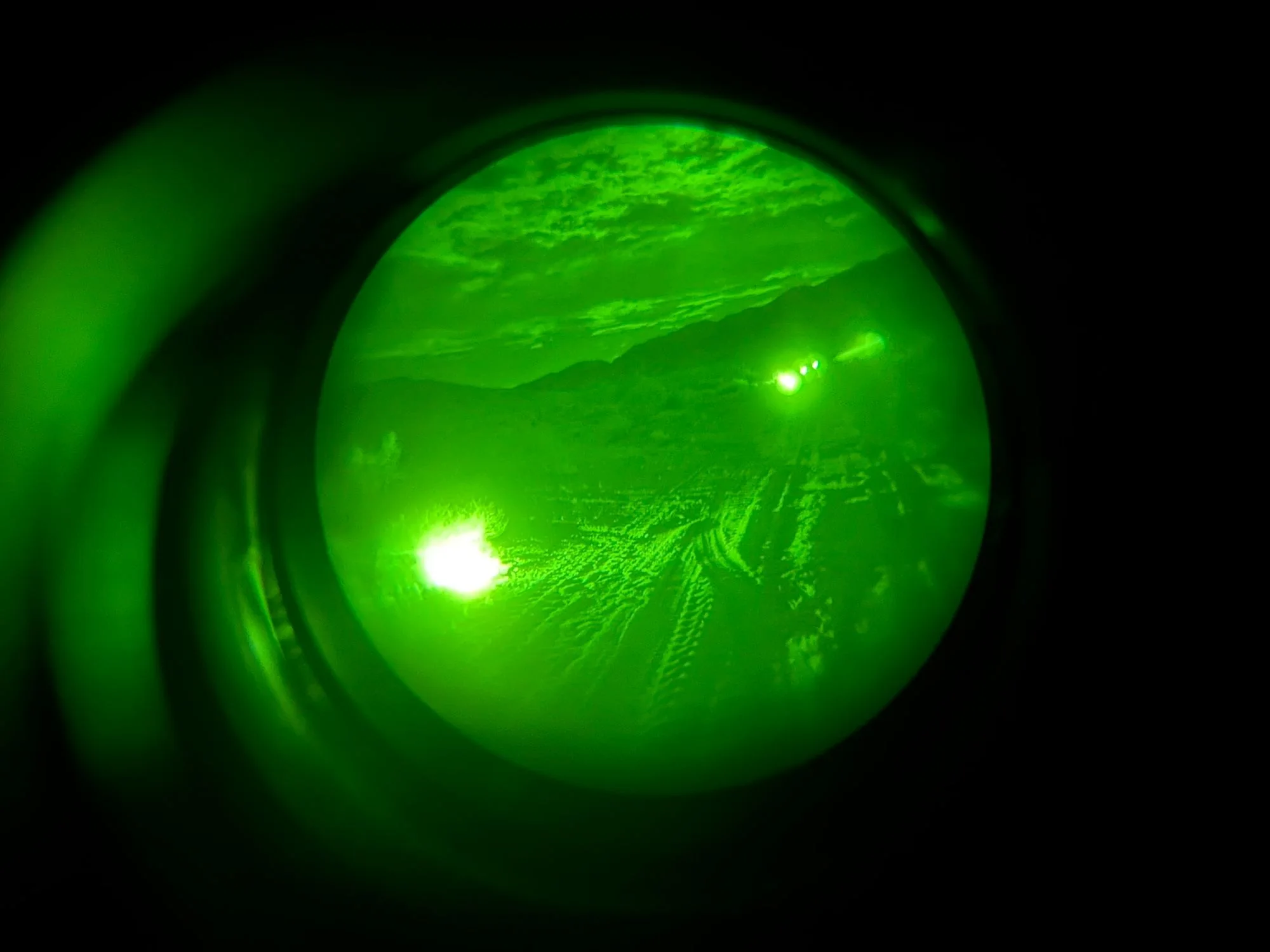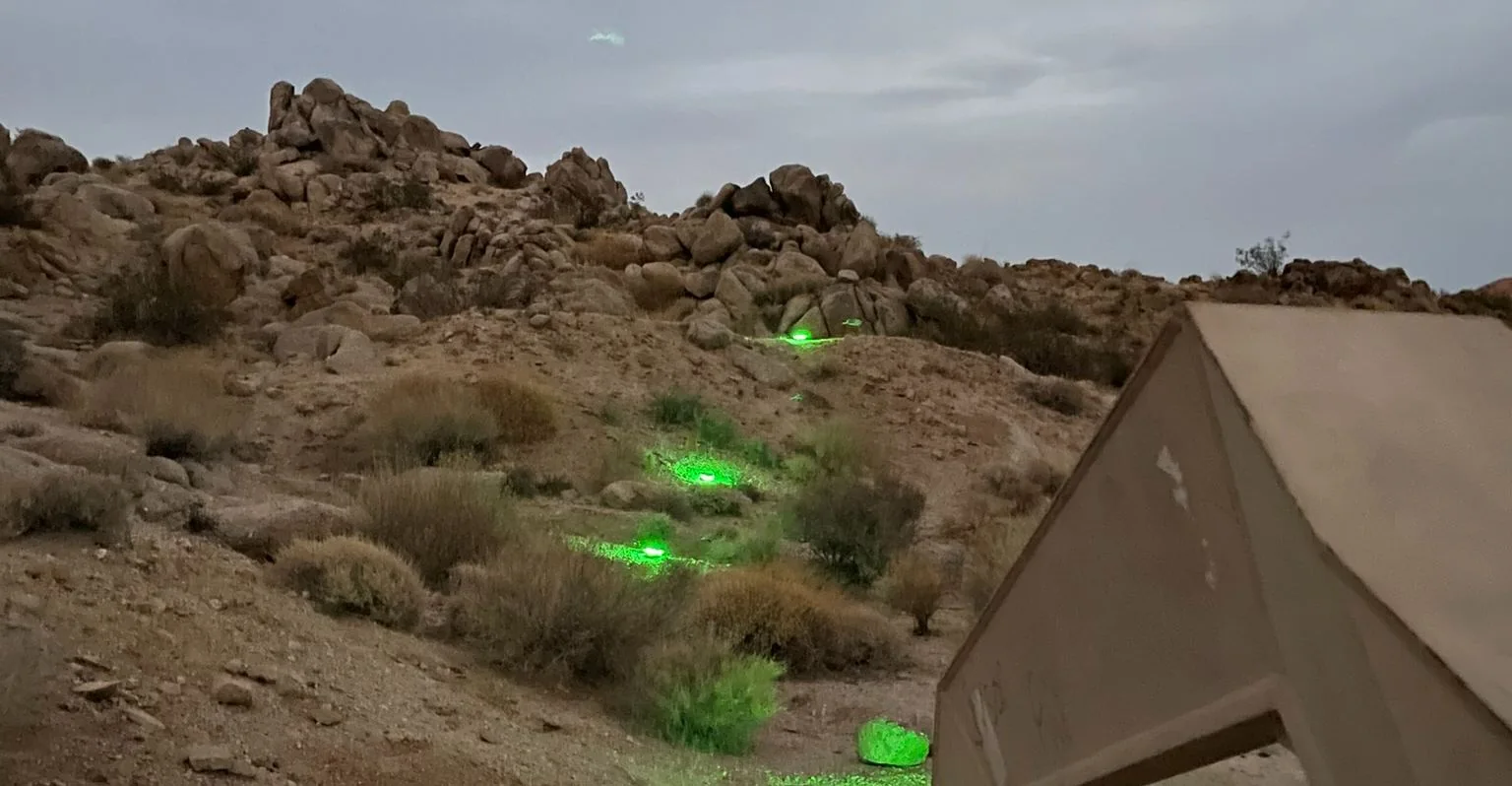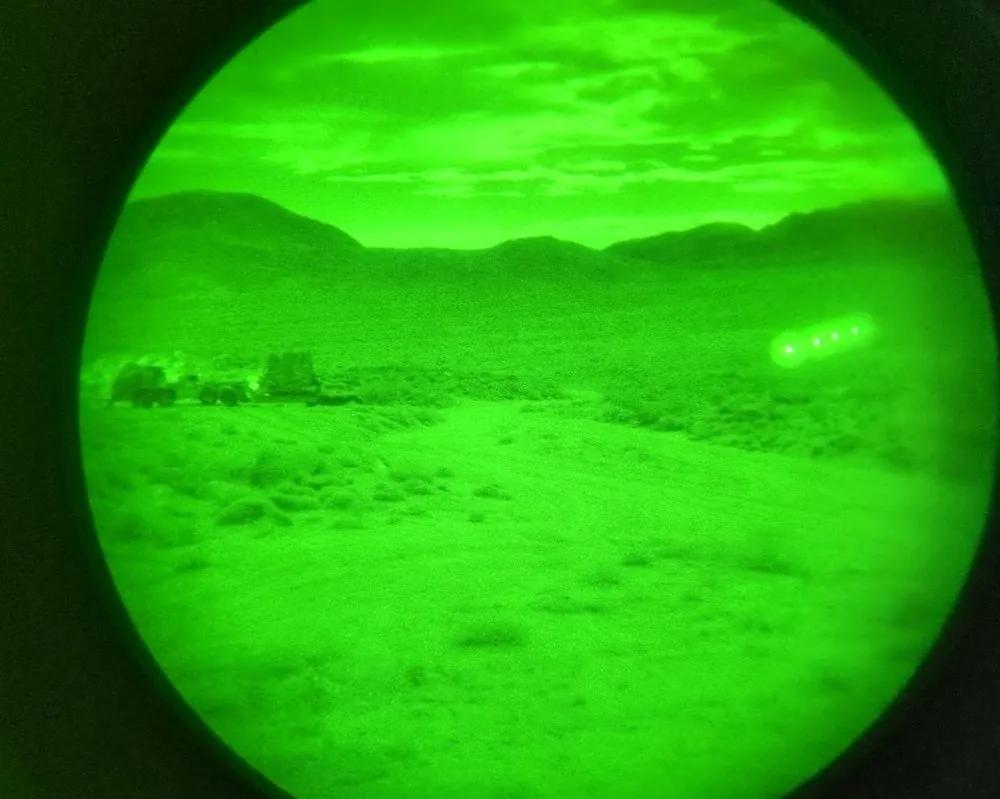
Lanes marked in seconds, not minutes.
Designed for emplacement with reduced dismount exposure. Faster tempo, less risk at the breach point.
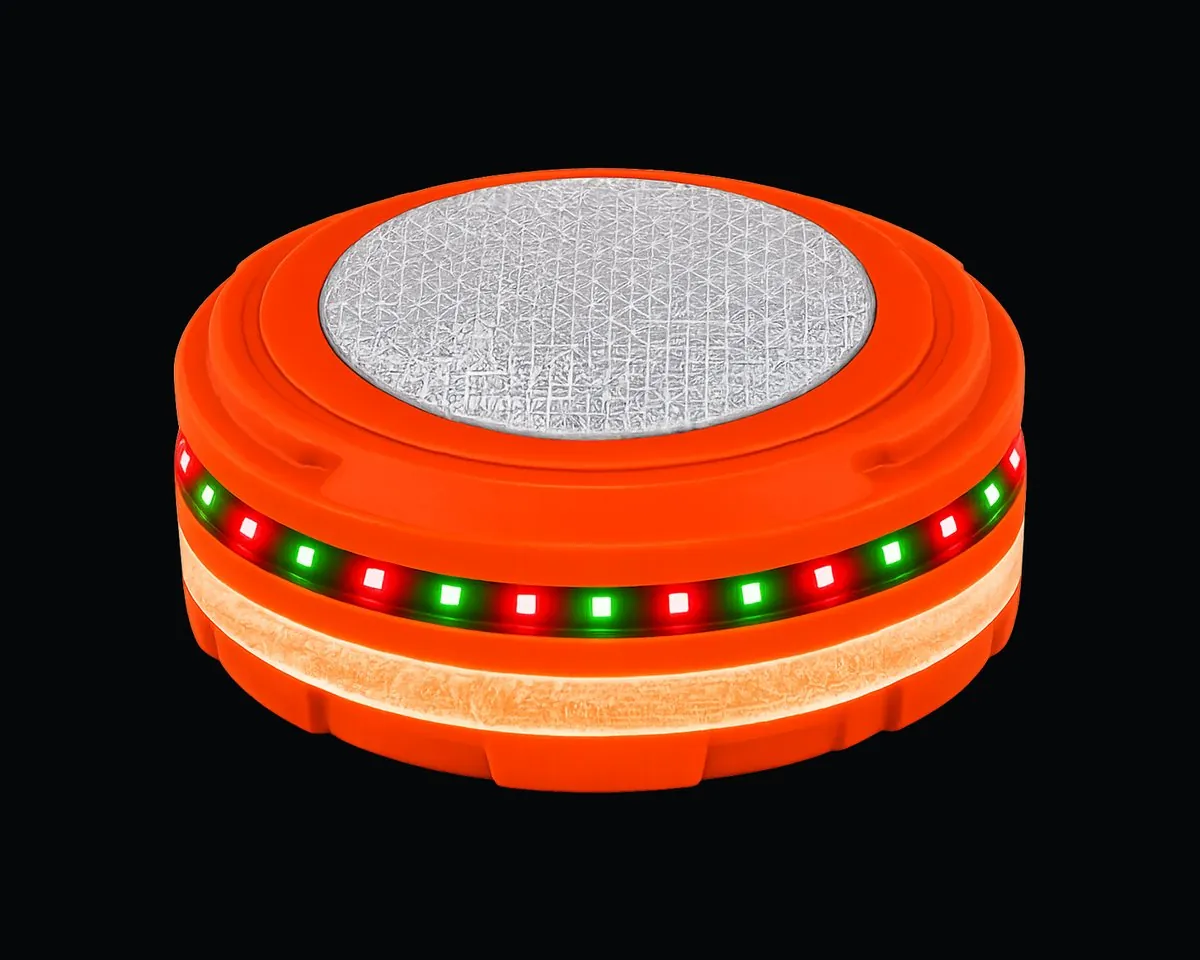
Combat engineers still often have to mark cleared breach lanes by hand, stepping out under fire to place chem lights and a flag. BreachOn replaces that step with a low-cost, expendable marker built to reduce exposure at the breach point, stay visible in daylight, night vision, and thermal, and add a lane status layer for situational awareness.
Built by a team that conducted discovery with combat engineers at JRTC and Fort Liberty. Sponsored by XVIII Airborne Corps, partnered with the Joint Innovation Outpost, and validated across 100+ operator interviews — before a single component was machined.
Manual. Fragile. Blind.
Engineers dismount under fire to plant chem lights and a $300 marking pole — the same procedure used in 2003. The pole is barely visible at night, invisible to thermal, and tells the TOC nothing about whether the lane is open. A Lieutenant Colonel called the existing automated system “as close to useless as possible.”
Deployable. Multi-modal. Connected.
A low-cost, expendable marker system that deploys fast, works across daylight, NV, and thermal — built toward real-time lane status at the TOC.
From the engineer at the breach point to the commander tracking the lane, BreachOn is designed for the full breaching sequence.
Designed for emplacement with reduced dismount exposure. Faster tempo, less risk at the breach point.
Designed for visibility in daylight, NVG, and thermal.
A visible breadcrumb trail through the proofed lane, designed to reduce confusion for follow-on forces.
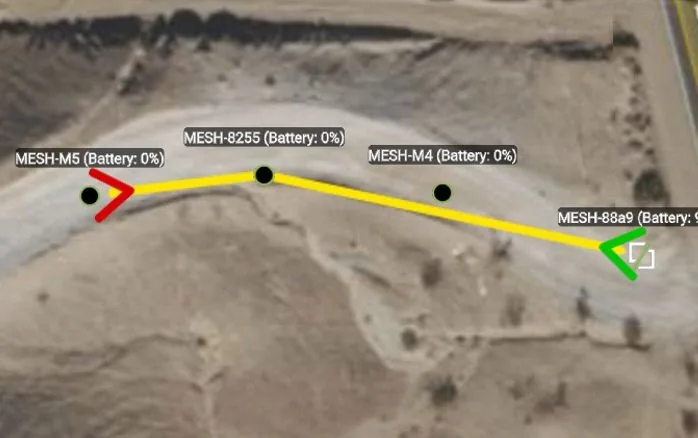
A lane status layer for decision dominance in command — the physical marker built to become a C2 asset.
BreachOn improves lane awareness for every user in the breaching sequence — the engineer marking it, the forces moving through it, and the commander tracking it.
Markers are emplaced along a cleared lane to reduce the burden of slow, manual marking workflows.
Visual, IR, and thermal signatures help the lane stay visible across changing operational conditions.
Follow-on vehicles and troops can navigate the proofed route with greater confidence and speed.
Future capability can add networked lane status and tactical awareness without overstating what exists today.
Built from 100+ conversations with combat engineers, assault force leaders, and TOC officers — the actual users, not proxies. Then we built the hardware.
Direct discovery across combat engineers, assault leaders, and commanders. Every design decision traces back to a real conversation.
Hardware built. BreachOn is not a concept — it is a physical system.
America’s contingency corps owns this problem. Their sponsorship defines the requirement and opens the direct acquisition pathway.
Embedded with the XVIII Corps acquisition cell at Fort Liberty — where rapid technology transition from prototype to fielding actually happens.
Large-scale combat operations, low-cost sensing, and the absence of a scalable lane-awareness layer make this timing meaningful.
Breaching and mobility operations need faster lane establishment and more confident follow-on maneuver.
Compact hardware, visibility modes, and tactical integration pathways make this category more viable today.
BreachOn is positioned where survivability, visibility, and coordination intersect.
The platform logic stays intact, but the sequence is explicit: current hardware first, networked lane awareness next, distributed sensing later.
Low-cost, expendable markers focused on improving visibility, survivability, and maneuver tempo.
Tracking and tactical data sharing can evolve the marker into a shared lane-awareness layer.
BreachOn grows from lane marking into deploy-and-forget situational awareness in contested environments.
BreachOn was built problem-first. We listened before we engineered.
BreachOn originated from a University of Florida Hacking for Defense team and NSF I-Corps Regional Cohort, working against a real operational problem set. The company thesis is straightforward: lane marking should no longer be an afterthought during breaching operations. It should be a survivability and situational-awareness tool.
Whether you are an investor, a DoD acquirer, a prime contractor, or a defense innovation partner — fill out the form and we will follow up within two business days.